The Evolution of Consumer Behavior Post-Pandemic: New Preferences and Expectations
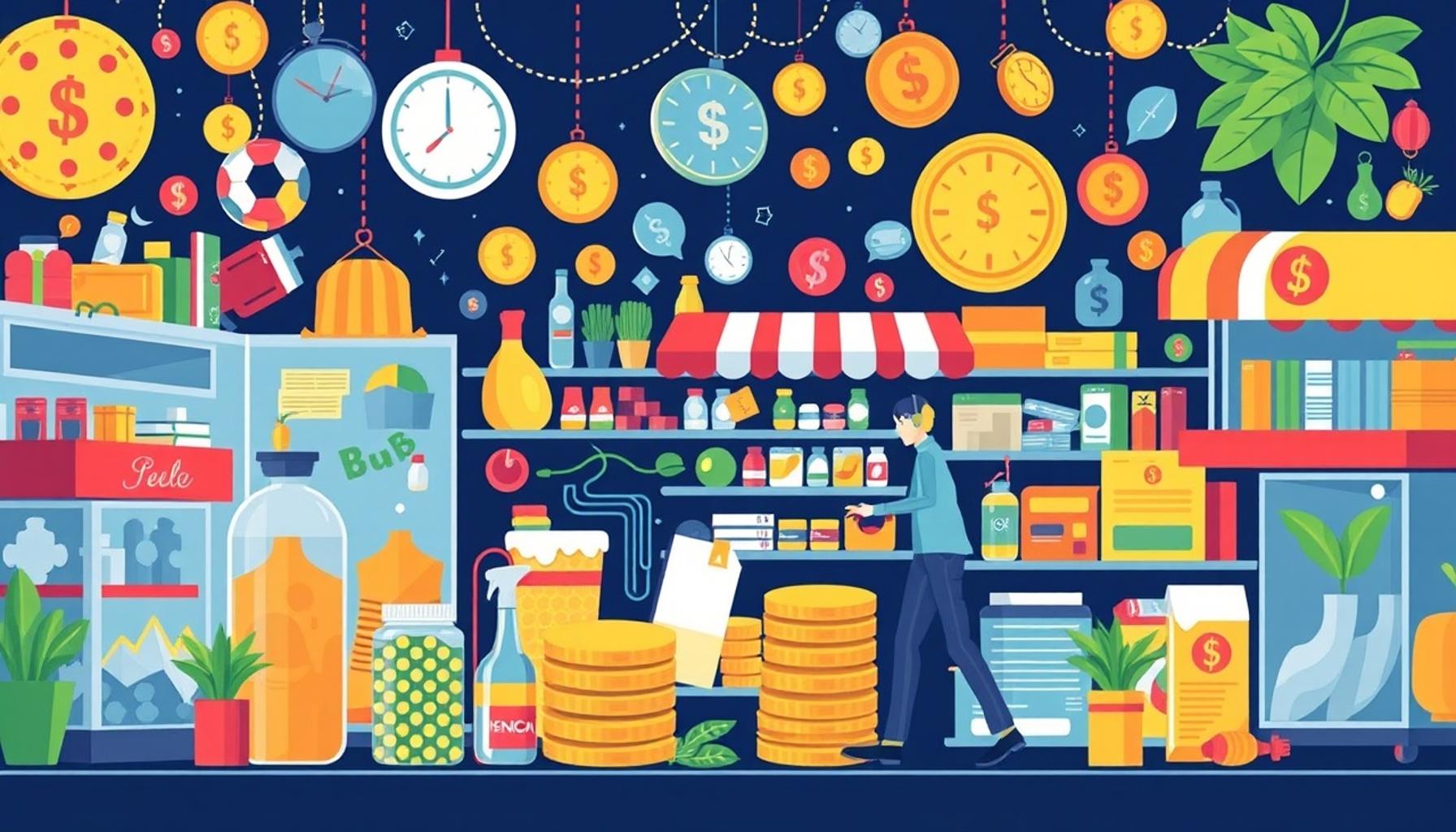
The New Era of Consumer Engagement
The pandemic has not only highlighted the fragility of traditional shopping methods but has also catalyzed an exciting shift toward a more digital-first approach. As consumers adapt to lockdowns and social distancing mandates, their shopping habits have undergone significant transformation. This shift underscores a pivotal moment in the evolution of retail that goes beyond temporary changes; it marks the beginning of a new era in consumer engagement.
Digital Experiences
One of the most striking changes has been the surge in digital experiences. Prior to the pandemic, online shopping was growing, but the restrictions forced consumers to rely heavily on e-commerce platforms and mobile applications for everyday necessities. Retail giants like Amazon and Walmart swiftly adapted to this new landscape, enhancing their delivery services and expanding their online offerings to meet the increased demand. For instance, many local businesses also pivoted to online sales, utilizing platforms like Shopify to create virtual storefronts, allowing them to reach customers far beyond their geographical boundaries.
Personalization: A New Expectation
Today’s consumers not only seek convenience but also crave personalization in their shopping experiences. Advanced algorithms and artificial intelligence now enable brands to offer highly tailored recommendations that resonate with individual preferences. For example, platforms like Netflix and Spotify use data analytics to suggest content based on user behavior, creating a tailored experience that keeps customers engaged. Retailers are harnessing similar technologies to analyze shopping habits and curate product suggestions, ensuring shoppers feel understood and valued.
Sustainability: A Crucial Consideration
The pandemic has also amplified the conversation around sustainability. A growing segment of consumers now prioritize ethical shopping and environmentally friendly products. Companies are responding by adopting sustainable practices, such as reducing packaging waste or sourcing materials responsibly. Brands like Patagonia and TOMS are leading the way, gaining loyalty by aligning their missions with environmentally conscious values. By making eco-friendly choices, consumers are driving a market trend that goes beyond mere consumerism—it’s about making a positive impact on the world.
The Role of Technology in Shaping the Future
Technology is at the heart of these consumer shifts, acting as both a facilitator of change and an innovator in the marketplace. The integration of AI, augmented reality (AR), and contactless payments has revolutionized how consumers interact with brands. For instance, augmented reality apps allow customers to virtually “try on” clothes or visualize furniture in their homes before making a purchase. Furthermore, contactless payment methods have skyrocketed in popularity, enhancing shopping convenience and safety—a trend that is likely to persist even post-pandemic.
As businesses navigate this evolving landscape, the importance of understanding these shifts cannot be overstated. The opportunity to innovate and adapt in a digitally transformed marketplace presents a fascinating glimpse into the future of consumer engagement. Companies that embrace these changes and integrate technology effectively will not only meet the demands of today’s consumers but will also position themselves as leaders in the market of tomorrow.
DISCOVER MORE: Click here to learn more
Technological Advancements Transforming Consumer Experience
As we transition into a post-pandemic world, the incorporation of technology within the financial sector has become pivotal in reshaping consumer behavior. Financial institutions are leveraging cutting-edge technologies to not only enhance operational efficiency but also to deliver personalized experiences that cater to the evolving preferences of consumers. This digital transformation is creating a more engaging, user-friendly environment where convenience reigns supreme.
The Rise of FinTech Solutions
The pandemic has ushered in a remarkable rise in FinTech solutions, lending an innovative edge to how consumers manage their finances. With the increasing demand for digital banking and investment services, platforms such as Robinhood and Cash App have surged in popularity, enabling users to conduct transactions swiftly from the comfort of their homes. This trend reflects a shift towards a more democratized financial landscape where consumers of all backgrounds are gaining access to tools that were once the reserve of traditional banking institutions.
Contactless and Mobile Payment Solutions
In the realm of payments, the emphasis on contactless solutions has matured considerably. The desire for safety during the pandemic has led many consumers to opt for mobile payment applications and digital wallets, like Apple Pay and Google Pay, which streamline transactions and minimize physical contact. According to a recent survey, about 46% of consumers report using contactless payment options more frequently due to health concerns, a behavior likely to continue even beyond pandemic restrictions.
Data Security: A Top Priority
With increased reliance on digital platforms comes heightened concern over data security. Consumers expect the brands they engage with to safeguard their personal information diligently. This shift has prompted financial institutions to invest heavily in cybersecurity measures. In fact, recent trends indicate that 72% of consumers prioritize security over convenience when it comes to financial transactions. Companies that convey transparency in their security protocols will undoubtedly build stronger trust with their clientele, enhancing customer loyalty.
Emerging Trends to Watch
As the financial sector evolves, several emerging trends are worth noting that will play a crucial role in shaping future consumer behavior:
- Cryptocurrency Adoption: Growing interest in cryptocurrencies, coupled with mainstream acceptance, is transforming how consumers think about money.
- Artificial Intelligence: AI-driven analytics are helping banks and financial institutions predict consumer needs, enabling them to personalize offerings more effectively.
- Blockchain Integration: This technology is enhancing transparency and security within transactions, fostering a new level of trust in financial processes.
As consumers continue to embrace digital-first financial solutions, businesses that prioritize innovation and adapt rapidly to changing expectations will not only survive but thrive in this new marketplace. The post-pandemic era presents an incredible opportunity for financial institutions to redefine engagement, offering consumers not just services but comprehensive experiences that reflect their values and lifestyle. By embracing these advancements, companies are set to reshape the financial landscape, making it more accessible and tailored to the needs of today’s empowered consumers.
DISCOVER MORE: Click here to learn about the rise of sustainable brands
Shifting Attitudes Towards Financial Wellness
As consumer priorities have shifted in the post-pandemic landscape, the focus on financial wellness has become increasingly prominent. People are no longer just looking for convenience in transactions but are seeking holistic solutions that address their overall financial health. The pandemic has sparked a deeper awareness of budgeting, saving, and smart spending, leading consumers to adopt a more proactive approach to their finances.
Emphasis on Financial Education
This surge in financial awareness has created a robust demand for financial education programs. Consumers of various demographics are actively seeking resources to enhance their knowledge about investing, savings, and responsible spending. Companies that provide educational content through webinars, online courses, and informative blogs are gaining traction, as consumers appreciate brands that invest in their financial literacy. This trend is particularly notable among younger users, who are increasingly turning to platforms that not only facilitate transactions but also offer guided assistance in managing their finances.
Personal Finance Management Tools
The availability of personal finance management tools is also on the rise, with applications like Mint and YNAB (You Need A Budget) becoming household names. These tools allow users to track spending, set savings goals, and monitor their financial health in real time. The integration of gamification elements within these applications helps in motivating consumers to stick to their financial goals, making budgeting less of a chore and more of an engaging experience. This indicates that consumers are leaning towards solutions that empower them, embodying a shift from passive to active engagement with their finances.
Integration of Sustainable Practices
Another significant trend unfolding in consumer behavior is the increasing importance of sustainability in financial choices. Post-pandemic consumers are more inclined to support companies that align with their values, particularly those emphasizing environmental, social, and governance (ESG) criteria. The rise of socially responsible investing (SRI) has marked a new chapter in consumer expectations, prompting financial institutions to develop investment options that reflect these ethical considerations. As more consumers seek to make a positive impact through their financial decisions, institutions that provide transparent options in this arena will foster loyalty and long-term relationships.
The Hyper-Personalization of Financial Services
As technology continues to advance, the concept of hyper-personalization within financial services is also becoming a reality. Leveraging big data and AI, financial institutions are now capable of tailoring services to meet the unique needs of each consumer. For instance, predictive analytics can anticipate spending patterns and suggest personalized financial products, which greatly enhances the customer experience. Such practices are shifting consumer expectations from one-size-fits-all solutions to customized offerings that resonate with individual lifestyles and preferences.
As we witness these emerging trends, it’s clear that the post-pandemic landscape of consumer behavior in finance is evolving at a rapid pace. Institutions that stay ahead of the curve, embracing advancements in technology and prioritizing the needs of their customers, will not only capitalize on these shifts but potentially reshape the entire financial ecosystem for the betterment of all consumers. The integration of education, sustainability, personalization, and proactive financial management reflects the fundamental changes in consumer expectations—and the future is undeniably bright for innovative financial solutions.
DISCOVER MORE: Click here for additional insights
Embracing a New Financial Landscape
As we navigate the post-pandemic world, it is evident that consumer behavior has experienced a profound transformation. With a newfound emphasis on financial wellness, individuals are seeking more than just transactional convenience; they crave comprehensive solutions that empower them to take charge of their economic futures. The demand for financial education has surged, reflecting a collective desire for knowledge that enhances both personal financial management and long-term stability.
Furthermore, the integration of sustainable practices into financial decision-making illustrates a significant shift in values, with consumers prioritizing brands that align with their ethical beliefs. This alignment fosters trust and loyalty, as companies that respond to these expectations will emerge as leaders in the industry. Additionally, the advent of hyper-personalization powered by cutting-edge technology offers consumers tailored experiences that resonate with their unique needs, pushing boundaries in the traditional financial paradigm.
The future of finance is undeniably bright, driven by innovations that meet the dynamic preferences of today’s consumers. As financial institutions embrace digital transformation, the potential for enhanced customer experiences and more effective financial tools will only continue to grow. By remaining attuned to these emerging trends, the financial sector stands to not only adapt but thrive in a world where consumers are increasingly armed with the tools and knowledge to achieve their financial goals. The evolution of consumer behavior post-pandemic is not just a fleeting phase; it marks the beginning of a new era in which financial wellness and responsible practices drive progress across the industry.

Linda Carter
Linda Carter is a writer and expert known for producing clear, engaging, and easy-to-understand content. With solid experience guiding people in achieving their goals, she shares valuable insights and practical guidance. Her mission is to support readers in making informed choices and achieving significant progress.